
How to Professionally Maintain a Wooden Fence
By Francisco Leon | July 1, 2026
Maintaining a wooden fence is not just about aesthetics; it's a crucial aspect of home care that ensures durability and functionality. A well-maintained fence serves as a valuable asset, enhancing both security and curb appeal. Professional maintenance practices recommended by experienced fence contractors can help extend the lifespan of a wooden fence, saving homeowners both time and money in the long run. Understanding best practices, from choosing the right materials to executing repairs, is essential for effective fence care. This article delves into the professional methods of wooden fence maintenance and the importance of consistent upkeep.
Understanding Your Wooden Fence
Types of Wooden Fences
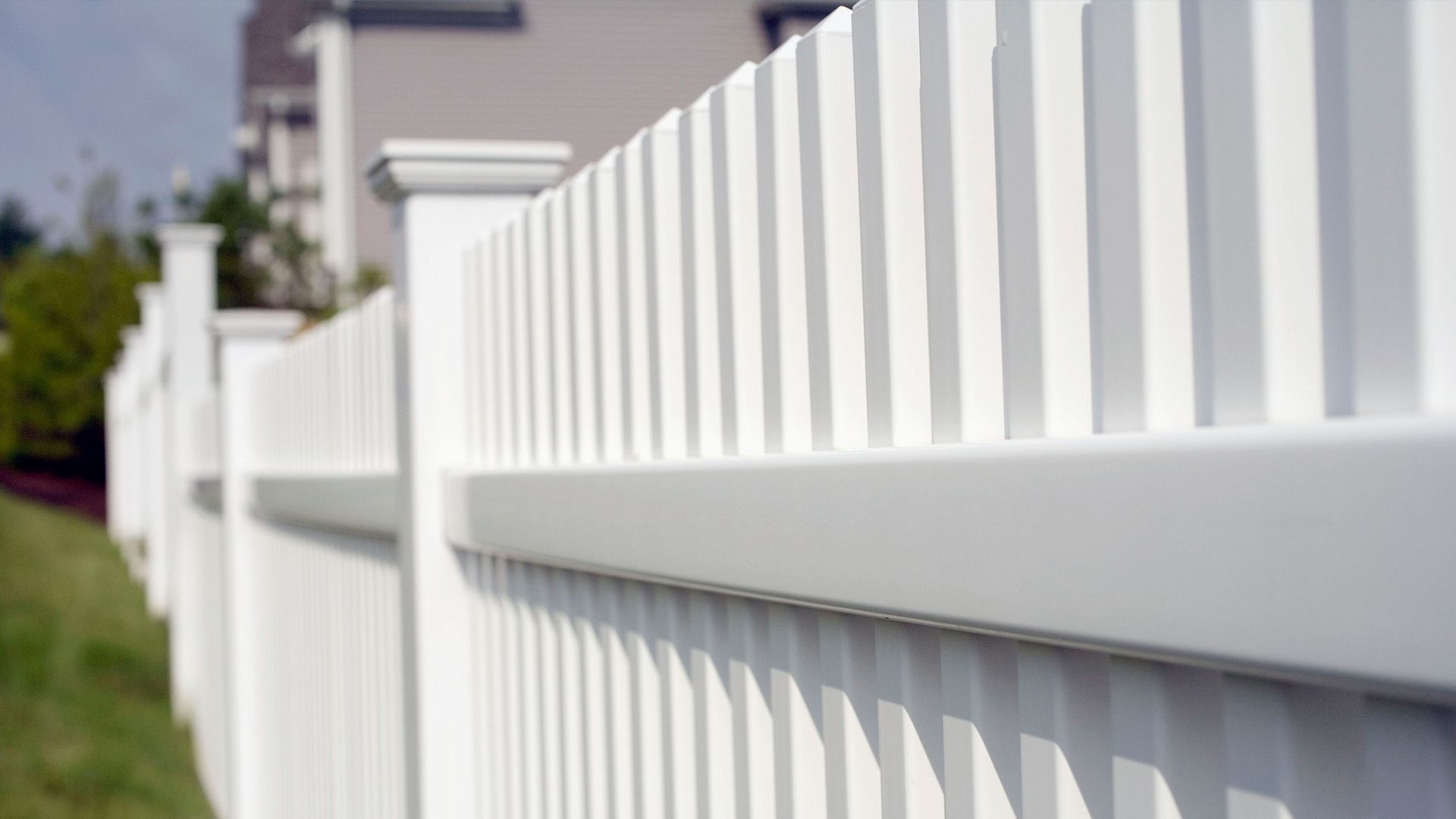
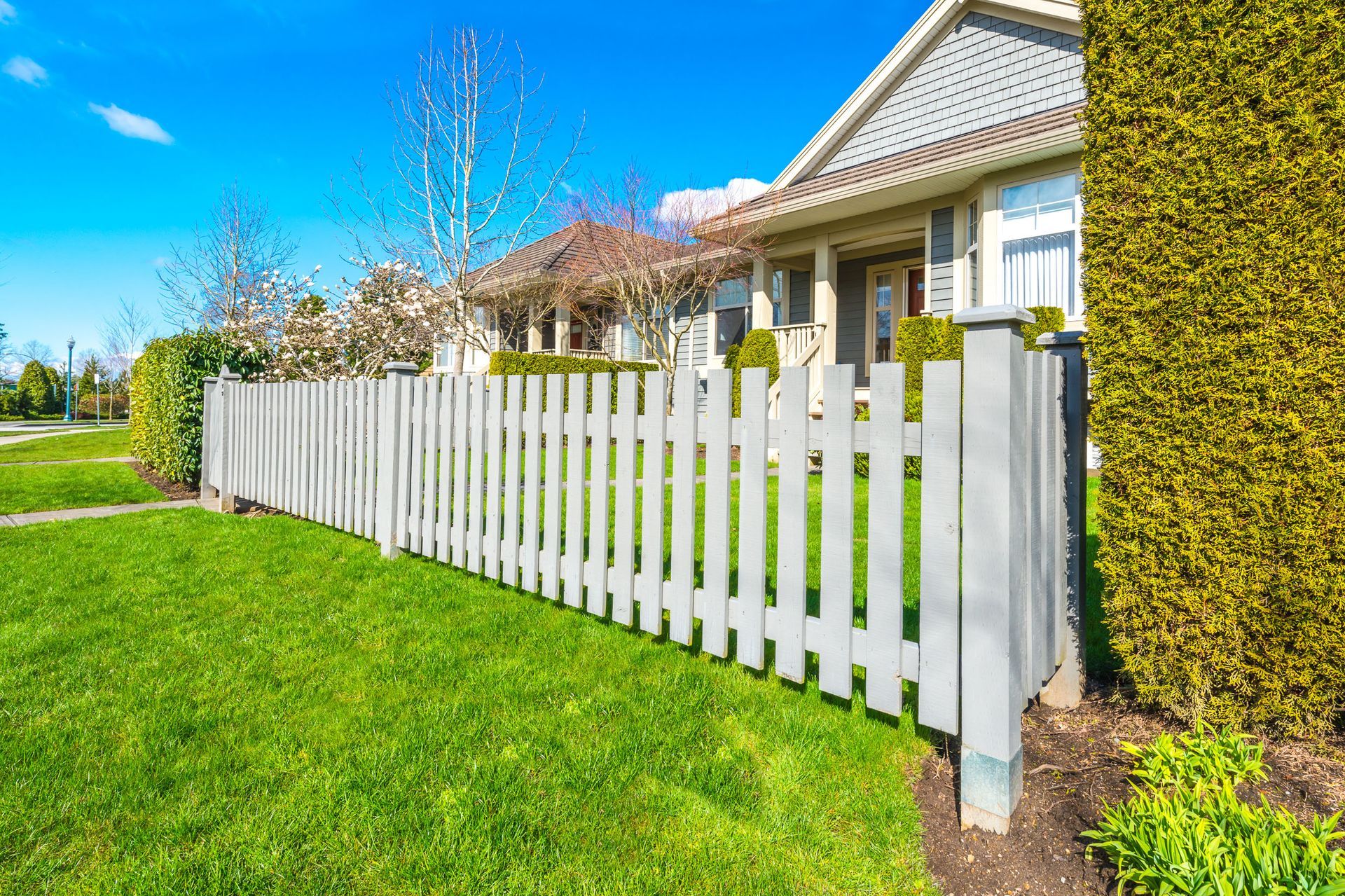
Wooden fences come in a variety of styles, each serving different purposes and possessing unique characteristics. Popular types include picket, privacy, and rail fences, each requiring specific maintenance techniques. For example, a picket fence might need more frequent painting due to its prominence in the landscape. A privacy fence, often taller, provides seclusion and typically requires careful inspection by professional fence contractors for structural integrity. Rail fences, common in rural settings, might need attention to ensure they remain secure against livestock or wildlife.
Characteristics of Wood Used
The choice of wood for a fence impacts both its aesthetic appeal and maintenance requirements. Cedar, known for its appealing grain and natural oils, offers an excellent choice for resilience against insects and rot. However, it still benefits from staining and sealing to preserve its color. Pine is a popular choice because it is often more affordable than other woods. Its maintenance involves treating for pests, as it is more susceptible to insect damage without proper preparation from local fence contractors.
Common Wear and Tear Issues
Wooden fences face a variety of challenges resulting from weather exposure and time. Common issues include rotting, warping, and discoloration due to constant exposure to the elements. Rotting often begins at the base of the posts where moisture is a persistent concern. Warping occurs when the wood absorbs too much water and then dries too quickly, leading to misshapen boards. Discoloration from sun exposure is another frequent issue, particularly in regions with intense sunlight, which seasoned fence contractors can help address.
Fence Construction and Design Considerations
Structure and Engineering
The construction and design of a wooden fence significantly influence its durability and maintenance needs. Well-designed fences feature sturdy materials and proper construction techniques, which account for factors like post depth, spacing, and the choice of fasteners. A fence that is well-grounded with appropriately set posts is more resistant to leaning and warping. Moreover, using galvanized or stainless steel fasteners reduces the risk of rust, prolonging the lifespan of connections.
Regional Climate Impact
The climate of a region significantly impacts the wear and maintenance requirements of a wooden fence. In humid regions, wood can absorb excess moisture, leading to rotting and encouraging pest infestations. Conversely, arid climates, while sparing the wood of harmful moisture, often cause it to dry out and crack due to excessive heat and sun exposure. Each of these conditions requires distinct maintenance tasks to counteract environmental effects, a specialty of local fence contractors.
Routine Inspection and Early Detection
Scheduling Regular Inspections
Maintaining a wooden fence requires diligent scheduling of inspections to identify potential issues early. A proactive inspection routine involves checking the fence at least twice a year, with more frequent checks during harsh weather seasons. Inspections are ideally performed in the spring and fall, aligning with seasonal shifts that may introduce new stresses to the wood. An inspection plan helps preemptively manage problems like rot and pest infiltration before they escalate. Ensuring fence integrity through regular inspections preserves its strength and beauty and prevents severe deterioration. According to This Old House, wood fences require regular maintenance to retain their beauty and functionality over time. This includes an annual inspection for damage or rot, cleaning with a pressure washer every two to three years, and reapplying stain or paint every three to five years.
Identifying Early Signs of Damage
Detecting damage in its early stages is crucial to maintaining the longevity of a wooden fence. Small cracks, discoloration, or loose nails are often the first signs indicating deeper problems. Addressing these symptoms early prevents them from evolving into substantial damage that could compromise the fence's structure. Regular cleaning and observation help identify such discrepancies before they escalate, allowing for timely intervention. Spotting these early indicators nourishes the fence’s longevity, maintaining its aesthetic and functional capabilities.
Inspecting Gate and Post Conditions
The gates and posts of a wooden fence are critical to its overall structural integrity and ease of use. Regular inspections of these components are essential to ensure the stable operation and longevity of the entire fence system. Entire fence gates, often subjected to repetitive opening and closing, are prone to sagging or dragging if hinges become loose or misaligned. Checking these areas for signs of wear and addressing issues promptly prevents them from becoming an eyesore or a security concern.
Evaluating Fasteners and Connections
The small yet crucial fasteners and connections in a fence play a significant role in maintaining its structural integrity. Regular checks on nails, screws, and bolts ensure that they remain tight and rust-free, securing the various elements of the fence together. Corroded or loose fasteners can lead to board sagging, creating gaps that compromise both the function and appearance of the fence. Addressing minor fastener and connection issues as they arise prevents larger problems that could compromise the fence structure. These evaluations strengthen structural cohesion and contribute to a fence's long-lasting beauty.
Using Technology for Inspections
Incorporating technology into the inspection process can significantly enhance the effectiveness of wooden fence maintenance. Utilizing tools such as moisture meters aids in detecting potential water damage within the wood that might not be immediately visible. These meters provide a precise reading of internal moisture levels, offering valuable insight into necessary protection measures. Employing technology helps identify subtle issues that manual inspections may overlook. Upholding the use of such technological advances enhances maintenance accuracy, covers more ground, and provides precise diagnostic data for fence contractors.
Cleaning and Staining Your Fence
Preparing for Cleaning
Thorough preparation before cleaning a wooden fence ensures both safety and effectiveness. The first step involves gathering the necessary tools, which could include a pressure washer, scrub brushes, and appropriate cleaning solutions. Safety measures such as wearing gloves and goggles should never be overlooked, as they protect against splinters and chemicals. A preliminary inspection to identify any loose or damaged segments avoids exacerbating existing problems during cleaning. Proper preparation maximizes the cleaning outcome while minimizing risks and damage.
Choosing the Right Cleaning Products
Selecting the appropriate cleaning products is essential to preserving the integrity of a wooden fence while removing dirt and buildup. Environmentally friendly solutions should always be a consideration to prevent damage to both wood and surrounding plant life. Non-toxic cleaners that break down dirt, mildew, and algae without damaging wood fibers serve as a good start. Avoiding harsh bleach-based products that could strip wood oils illustrates an understanding of chemical impacts on natural materials. Making these informed choices ensures safety and effectiveness in the cleaning process.
Steps for an Effective Clean
Effective cleaning of a wooden fence follows a structured process to ensure thoroughness and protect the wood's finish. Begin by soaking the fence with water to loosen any caked-on debris, creating an ideal starting point for deeper cleaning solutions. After soaking, apply the chosen cleaner using a brush, ensuring even coverage over the entire structure. Allow the solution to set based on product instructions, enabling stains and grime to break down and lift from the surface. Executed with care, this process leaves your perimeter looking like it was handled by expert fence contractors.
Ready to protect your investment and restore your property's curb appeal? Contact professional fence contractors at Leon Fence today.

Share On: