
Professional Cleaning Tips for a Long-Lasting Deck
By Francisco Leon | April 29, 2026
A well-maintained deck serves as the ultimate outdoor sanctuary for relaxation and social gatherings, but its longevity depends entirely on consistent care. Without proper cleaning and protection, even the highest quality materials will eventually succumb to the harsh effects of moisture, UV rays, and debris. By following a professional maintenance routine, you can ensure your outdoor space remains safe, beautiful, and structurally sound for decades to come.
Identifying the Signs of Necessary Maintenance
Before you reach for a scrub brush, you must evaluate the current state of your wood or composite surface to determine the level of care required. Common indicators that your deck needs immediate attention include the presence of green or black spots, which suggest mold and mildew growth that can lead to rot. If water no longer beads on the surface but instead soaks directly into the boards, the protective sealant has likely failed, leaving the organic fibers vulnerable to the elements.
Often, homeowners overlook the structural underside of the platform, where moisture tends to trapped between joists and beams. While surface cleaning is manageable for most DIY enthusiasts, deeper structural concerns should be evaluated by professional deck builders to prevent catastrophic failure. A thorough inspection once a year allows you to catch minor splinters or loose fasteners before they evolve into expensive repair projects. By remaining proactive, you create a baseline for health that makes the actual cleaning process much more effective.
Preparing the Surface for a Deep Clean
The success of any cleaning endeavor lies in the preparation, as jumping straight to water application can actually trap dirt deeper within the wood grain. Start by removing all furniture, planters, and decorative items to reveal the entire surface area, ensuring you don't miss hidden patches of grime. Use a stiff broom to sweep away loose leaves, pine needles, and dirt, paying special attention to the gaps between the boards where debris frequently accumulates and restricts airflow.
Clearing these gaps is vital because organic matter trapped in the crevices holds moisture against the wood, which is the primary cause of joist rot. If you notice that certain sections of the railing or flooring are wobbly during this stage, it is wise to consult with deck builders to ensure the frame is still capable of supporting the weight of your family and guests. Once the surface is clear and structurally verified, you should cover nearby delicate plants with plastic sheeting or thoroughly wet them with a garden hose. This step protects your landscaping from the runoff of cleaning solutions that may contain harsh chemicals or surfactants.
Selecting the Right Cleaning Solutions
Not all deck cleaners are created equal, and using the wrong product can result in bleached wood fibers or damaged composite finishes. For standard wood decks, oxygen bleach cleaners are generally preferred over chlorine bleach because they effectively kill mold and mildew without stripping the wood of its natural color. If you are dealing with a composite deck, always check the manufacturer’s guidelines, as some synthetic materials react poorly to certain solvents or oil-based soaps.
For those who prefer environmentally friendly options, a mixture of warm water, powdered oxygen bleach, and a small amount of liquid dish soap can work wonders on moderate staining. If your deck has significant tannin bleeding or rust stains from old nails, you might require an acid-based brightener to restore the wood’s original pH balance and brightness. Many professional deck builders recommend these brightening agents specifically before a new coat of stain is applied, as they open the wood pores for better absorption. Choosing the correct chemistry ensures that you are actually cleaning the material rather than simply masking the dirt with a layer of film.
Mastering the Art of Pressure Washing
Using a pressure washer is the most efficient way to remove stubborn grime, but it is also the easiest way to permanently damage a deck if used incorrectly. According to This Old House, pressure washing your deck once a year should be sufficient to keep it looking great. The key is to use a low-pressure setting, typically between 1,200 and 1,500 psi, and a fan-shaped nozzle tip to distribute the force evenly across the wood.
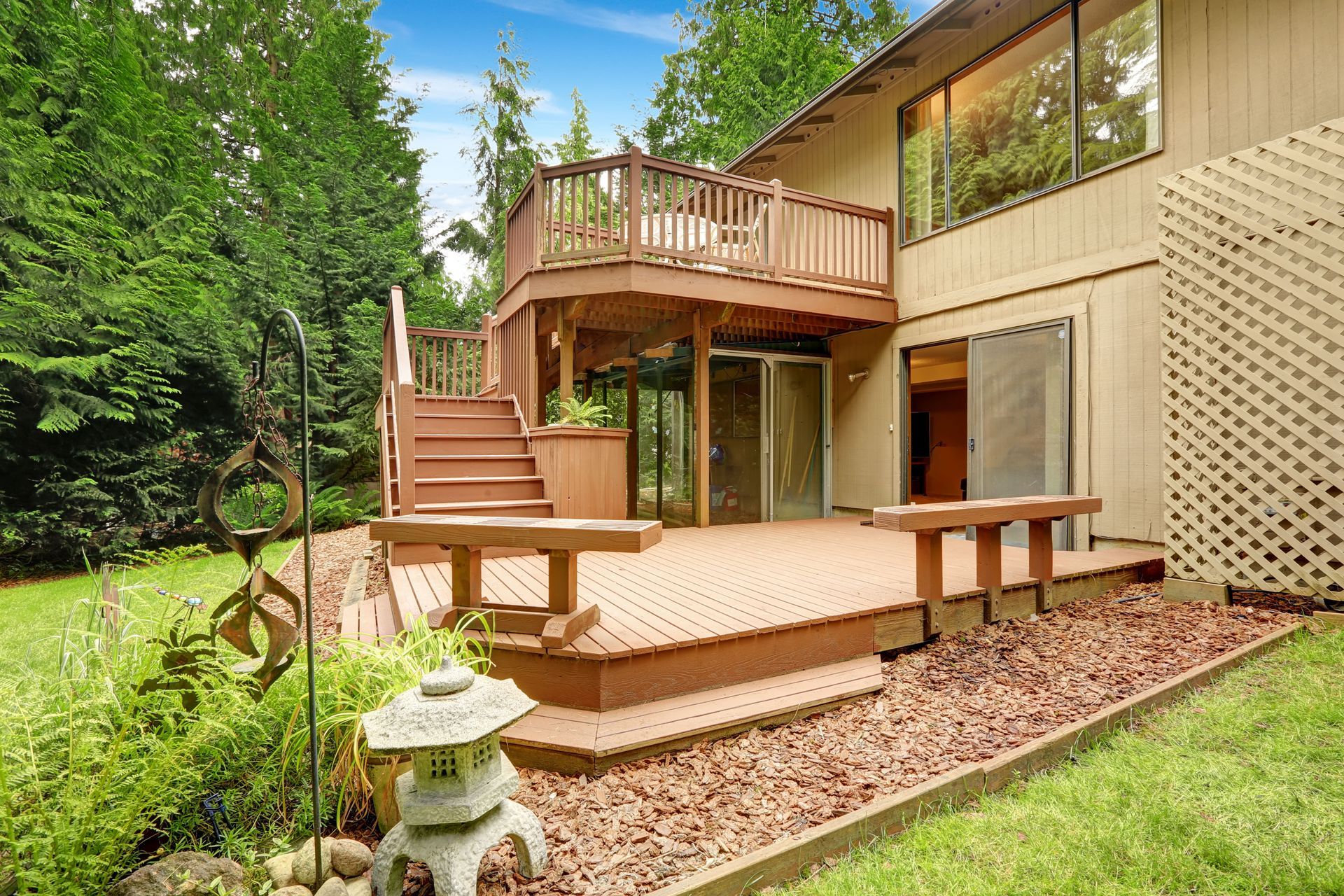
Hold the wand at least 12 inches away from the surface and move in long, sweeping motions that follow the direction of the wood grain. Never linger on one spot or use a "pencil" tip, as this can gouge the wood, lift the grain, and create a fuzzy texture that is painful to walk on. If you find that the wood has become significantly weathered or "furry" after washing, it may require a light sanding to smooth out the fibers. For decks that are high off the ground or feature intricate multi-level designs, hiring deck builders to perform the cleaning can mitigate the risk of accidental damage to complex staircases or railing systems.
Scrubbing Away Stubborn Organic Growth
In areas with heavy shade or high humidity, mold and algae can become deeply embedded, requiring more than just a rinse to dislodge. After applying your cleaning solution, use a synthetic-bristle brush attached to a long handle to scrub the boards while the wood is still wet. Avoid using wire brushes, as metal bristles can snap off and become embedded in the wood, eventually rusting and causing unsightly dark streaks that are difficult to remove.
Scrubbing should be done in sections to prevent the cleaning solution from drying on the wood before it can be rinsed away. If you encounter a patch of rot during this intensive scrubbing, stop immediately and mark the area for replacement; scrubbing rotted wood will only accelerate the decay. In such cases, professional deck builders can replace individual boards while ensuring the new wood matches the existing layout and structural integrity. A dedicated manual scrub ensures that you are removing the "roots" of the mold, which prevents it from returning just weeks after your cleaning project is finished.
Protecting the Wood with Sealants and Stains
Once the deck is clean and has had at least 48 hours of dry weather to fully dehydrate, it is time to apply a protective finish. This layer acts as a shield against the sun’s ultraviolet rays, which break down lignin in the wood and cause it to turn grey and brittle. You can choose between transparent sealers, semi-transparent stains, or solid stains depending on the aesthetic you desire and the age of the wood.
Transparent sealers provide excellent water resistance while showing the natural grain, but they typically require more frequent reapplication than pigmented stains. Semi-transparent stains are often the "gold standard" for maintenance, as the pigments provide a UV barrier while still allowing the beauty of the wood to shine through. If your deck is older and has significant cosmetic flaws, a solid stain can provide a uniform look similar to paint while offering the highest level of sun protection.
A commitment to regular cleaning and sealing is the most effective way to protect your outdoor living investment from the relentless toll of the elements. By following these professional steps, you can enjoy a beautiful, sturdy surface that stands the test of time and enhances your home's appeal. Take the time to care for your deck today so it can continue to provide a space for memories tomorrow. If you want to find reliable deck builders, contact Leon Fence today to get started today!

Share On: