
How to Properly Maintain Your Deck
By Francisco Leon | May 27, 2026
A beautifully constructed deck provides the perfect outdoor space for relaxation and gatherings. However, because it is constantly exposed to the elements, keeping it in pristine condition requires a proactive approach. Proper upkeep not only preserves the aesthetic appeal of your home but also ensures the structural integrity and safety of the platform for years to come. By implementing a consistent care routine tailored to your specific materials, you can prevent costly repairs and enjoy your outdoor investment across every season.
Achieving a long-lasting outdoor space often begins with the expertise of professional deck contractors. These specialists can guide you on the best practices for installation and initial treatment, setting a solid foundation for your maintenance journey. Whether you are dealing with traditional timber or modern synthetic options, understanding the unique demands of your specific structure is the first step toward effective long-term preservation.
Understanding your deck material
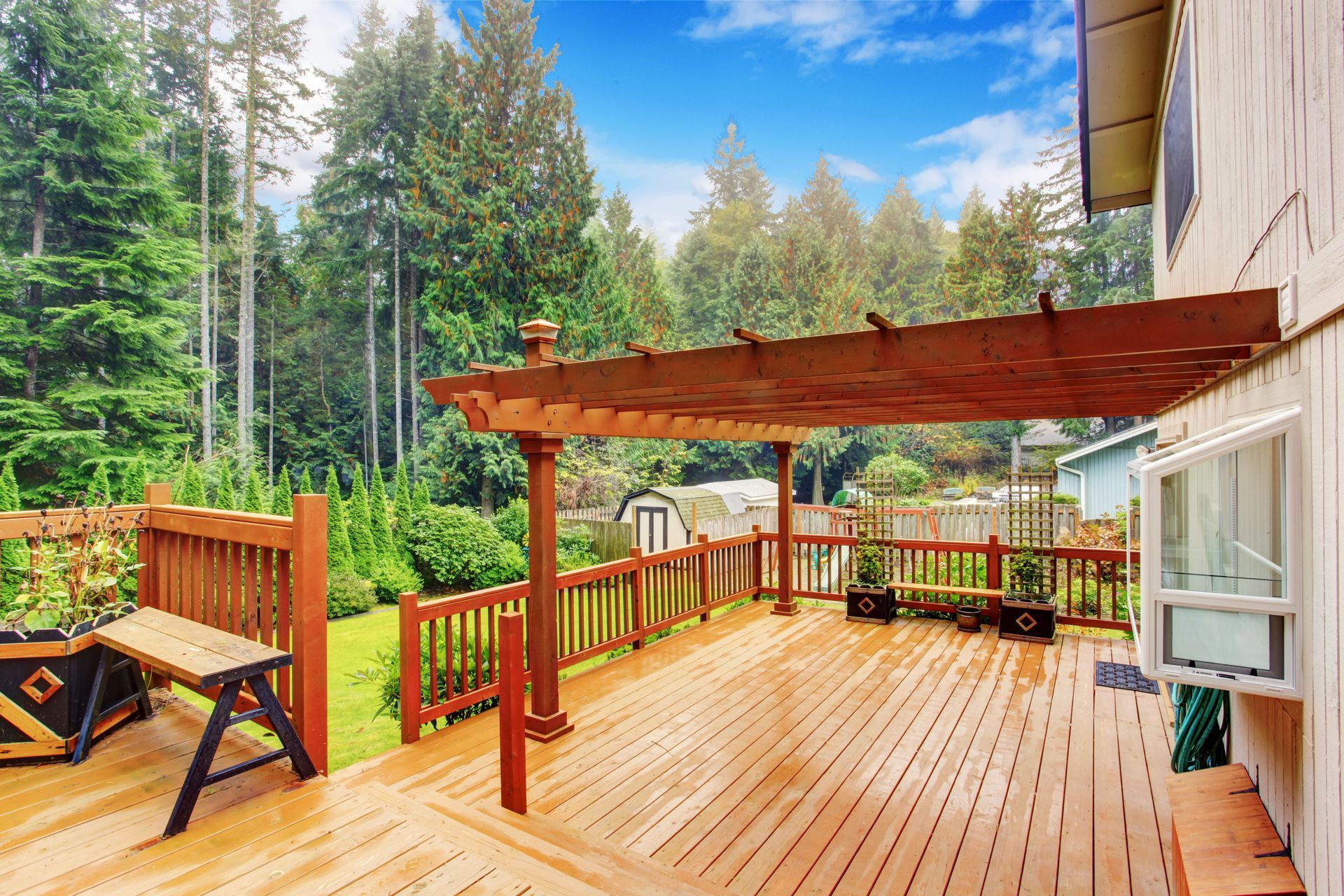
Decks can be constructed from a variety of materials, each offering distinct advantages and challenges. Traditional wood options like cedar and redwood are widely admired for their natural beauty and classic appeal. However, wood is naturally susceptible to moisture, insect damage, and rotting, which demands diligent upkeep. While individual wooden boards are relatively easy to repair or replace, neglecting their upkeep can drastically shorten the lifespan of the structure.
In contrast, composite materials made from blended wood fibers and plastic offer exceptional durability with a much lower maintenance burden. PVC and aluminum alternatives are also highly resistant to weather extremes, pests, and decay, making them excellent choices for long-term use. While synthetic options usually carry a higher upfront cost and may not perfectly replicate the warmth of natural timber, they drastically reduce the time and money spent on specialized treatments over the years.
According to This Old House, for decks, regularly reapply sealant and stain as needed, typically every one to three years, depending on the product and environmental conditions. This routine helps protect surfaces from deep moisture penetration, UV fading, and daily wear. While composite and PVC materials do not require traditional staining, they still benefit from periodic specialized cleanings to prevent surface mold and mildew. Tailoring your preservation strategy to your specific material ensures maximum longevity.
Setting up a cleaning schedule
Establishing a predictable routine is essential for preventing the buildup of dirt, grime, and organic matter that can degrade your outdoor surfaces. Homeowners should aim for a deep clean at least twice a year, ideally during the spring and fall, to prepare for seasonal shifts. In regions marked by high humidity or heavy rainfall, more frequent washings may be necessary to keep fungal growth at bay. Adjust your timeline based on local climate factors and the proximity of overhanging trees.
In addition to biannual deep cleans, weekly sweeping is a simple yet effective way to protect your platform. Leaves, twigs, and pine needles trap moisture against the surface, creating a breeding ground for mold and rot. Promptly clearing away these organic materials minimizes surface discoloration and reduces the risk of permanent staining. Addressing accidental spills from food, drinks, or grilling oils immediately will also prevent them from setting deep into the fibers.
A thorough cleaning schedule should always double as an opportunity to inspect the structure for physical wear. Take time to look for loose boards, protruding fasteners, or sudden structural shifting that could pose a safety hazard. Checking the stability of railings, steps, and support posts allows you to address minor issues before they escalate into dangerous structural failures. A proactive cleaning and inspection routine keeps your outdoor living area safe, functional, and inviting.
Choosing the right cleaning tools
Using the correct equipment is vital to achieving a spotless surface without accidentally damaging the underlying material. A sturdy broom or a leaf blower works perfectly for removing loose surface debris during your weekly maintenance. When tackling tougher grime, a pressure washer can be highly effective, but it must be used with extreme caution. Utilizing an incorrect nozzle or setting the pressure too high can easily splinter natural wood or permanently gouge composite boards.
Selecting the appropriate chemical cleaners is equally important for preserving the integrity of the surface. Wooden structures thrive with specialized, non-chlorine oxygen bleach cleaners that lift deep stains without stripping the natural color or harming surrounding landscaping. Composite, PVC, and aluminum surfaces respond best to mild, non-abrasive soaps specifically formulated for synthetic materials. Avoid harsh chemical agents that can degrade protective factory coatings or cause premature fading.
Investing in high-quality brushes with the right bristle stiffness will make your scrubbing efforts much more efficient. Soft-bristle brushes are ideal for delicate wood surfaces, while stiffer synthetic bristles can be used to agitate dirt on durable composites. Regularly replacing worn-out cleaning tools and checking the expiration dates on your maintenance products ensures optimal results. Equipping yourself with the right gear saves time and prevents accidental self-inflicted damage during the process.
Inspect for hidden structural damage
Beyond surface cosmetics, a safe outdoor platform requires regular evaluations of its underlying structural framework. Begin by checking the ledger board, which connects the platform directly to your home, as this is a common point for moisture collection. Ensure that the flashing is intact and that no water is seeping into the residential framing. Examine the joists, beams, and support posts beneath the platform for any soft spots, cracks, or signs of insect activity.
Hardware and fasteners require scrutiny, as metal screws, nails, and joist hangers can rust or corrode over time when exposed to the elements. Loose, backing-out, or rusted fasteners compromise the overall stability of the structure and should be replaced immediately with weather-resistant galvanized or stainless-steel alternatives. For synthetic platforms, check the hidden fastening systems to ensure boards remain securely locked in place without warping or shifting.
Keeping a written or digital log of your structural inspections is an excellent practice for tracking long-term wear and planning future repairs. Documenting the condition of the framework helps you spot recurring issues and budget for eventual component replacements. It also serves as valuable documentation if you ever decide to sell your home, providing proof of diligent care to prospective buyers. When complex structural issues arise, consulting experienced deck contractors can provide peace of mind.
Applying protective seasonal coatings
Weatherproofing acts as the ultimate shield against rain, snow, ice, and intense ultraviolet radiation. Unprotected wood will quickly absorb moisture, causing the boards to swell, warp, crack, and eventually rot under changing temperatures. Ultraviolet rays from the sun also break down lignin in wood fibers, leading to a dull gray appearance and structural weakening. Applying high-quality protective coatings mitigates these environmental threats and significantly extends the life of your investment.
Before applying any sealants, stains, or clear coats, the surface must be completely clean and fully dry. Any trapped moisture or lingering dirt will prevent the coating from adhering properly, leading to premature peeling and bubbling. Apply the product evenly using a brush, roller, or sprayer, paying close attention to exposed end-grains and joints where water tends to pool. Follow the manufacturer's directions regarding temperature guidelines and drying times before restoring furniture to the area.
Taking care of your outdoor platform does not have to be an overwhelming chore. By understanding the specific needs of your materials, executing a reliable cleaning schedule, and staying ahead of structural inspections, you can easily maintain a beautiful and safe space for your family. Regular maintenance preserves your home's equity, enhances curb appeal, and ensures that your outdoor oasis remains ready for entertainment at a moment's notice. For more information about the services that we offer, reach out to our incredible team at Leon Fence today!

Share On: