
How a Deck Builder Creates Long-Lasting Outdoor Spaces
By Francisco Leon | August 31, 2026
A deck builder plays a crucial role in turning an ordinary backyard into a durable area for relaxation. Building an outdoor platform requires more than laying down wood; it involves architectural vision and solid engineering. The construction process moves through various stages, from the initial consultation to adding protective finishes. Every step demands careful attention to detail. Through strategic planning and advanced techniques, a professional can create structures that add value to any home. Let us explore the exact steps an expert takes to create incredible outdoor living spaces.
Understanding Client Needs and Preferences With Care
The initial step in designing the ideal outdoor space involves understanding the lifestyle preferences of the homeowner. Listening closely to the vision of the client helps align aesthetic desires with functional requirements. Engaging in a thoughtful dialogue ensures the final product meets expectations for size, style, and features. This stage includes discussing how the family intends to use the area, whether they plan to host large gatherings or enjoy quiet evenings. By grasping these details thoroughly, a deck builder lays a strong foundation for all upcoming design decisions.
Evaluating the Site and Environmental Conditions
Assessing the natural layout and environmental conditions of the property remains a vital part of the early planning phase. Professionals check soil stability, sun exposure, and typical weather patterns to gather data that directly influences the location of the structure. It is important to consider views and privacy so the new feature blends seamlessly into the existing landscape. Fence and deck contractor professionals might also identify potential challenges like uneven ground. With comprehensive site analysis, the team ensures the project enhances the natural environment.
Choosing the Right Design and Layout
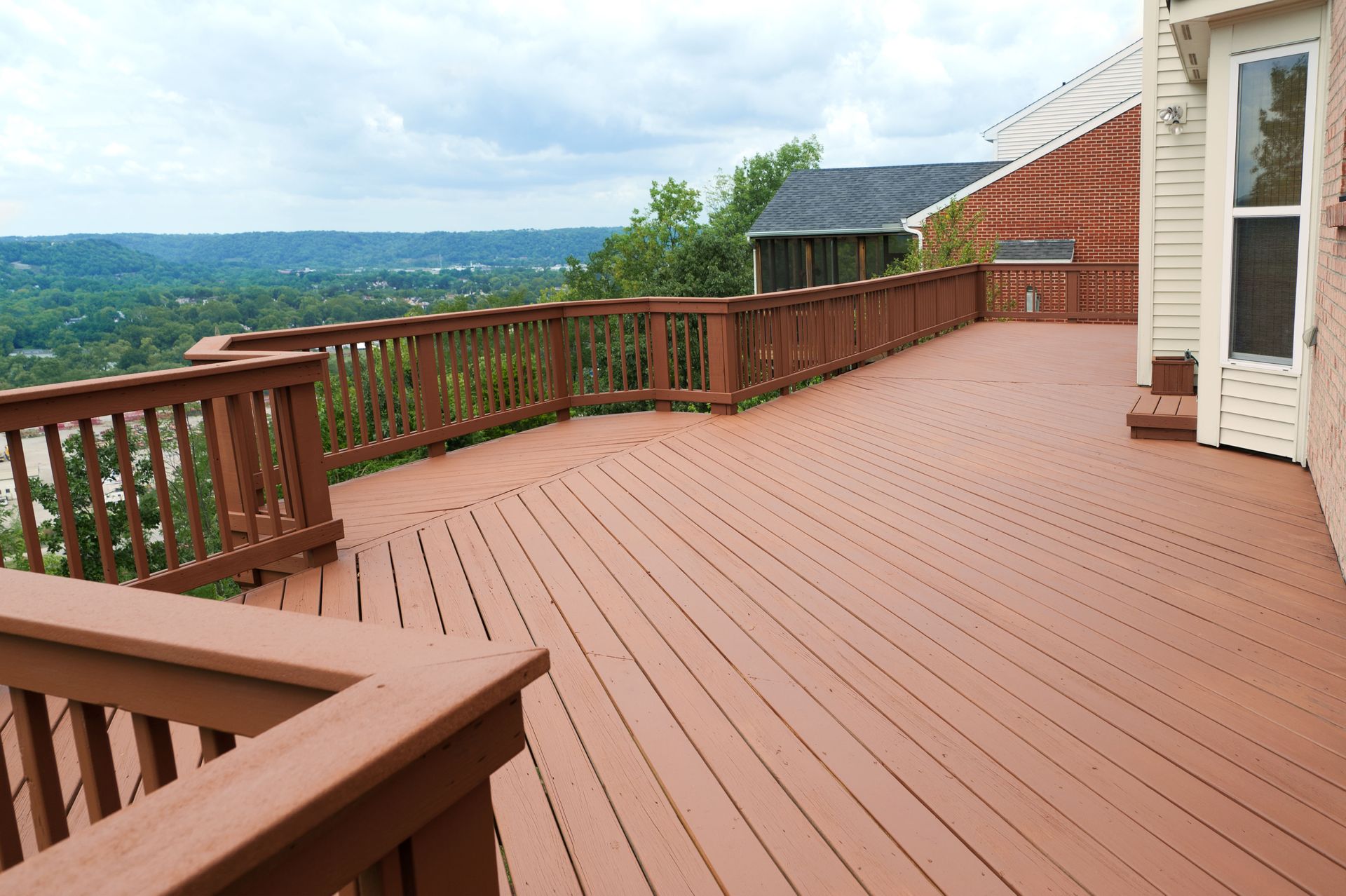
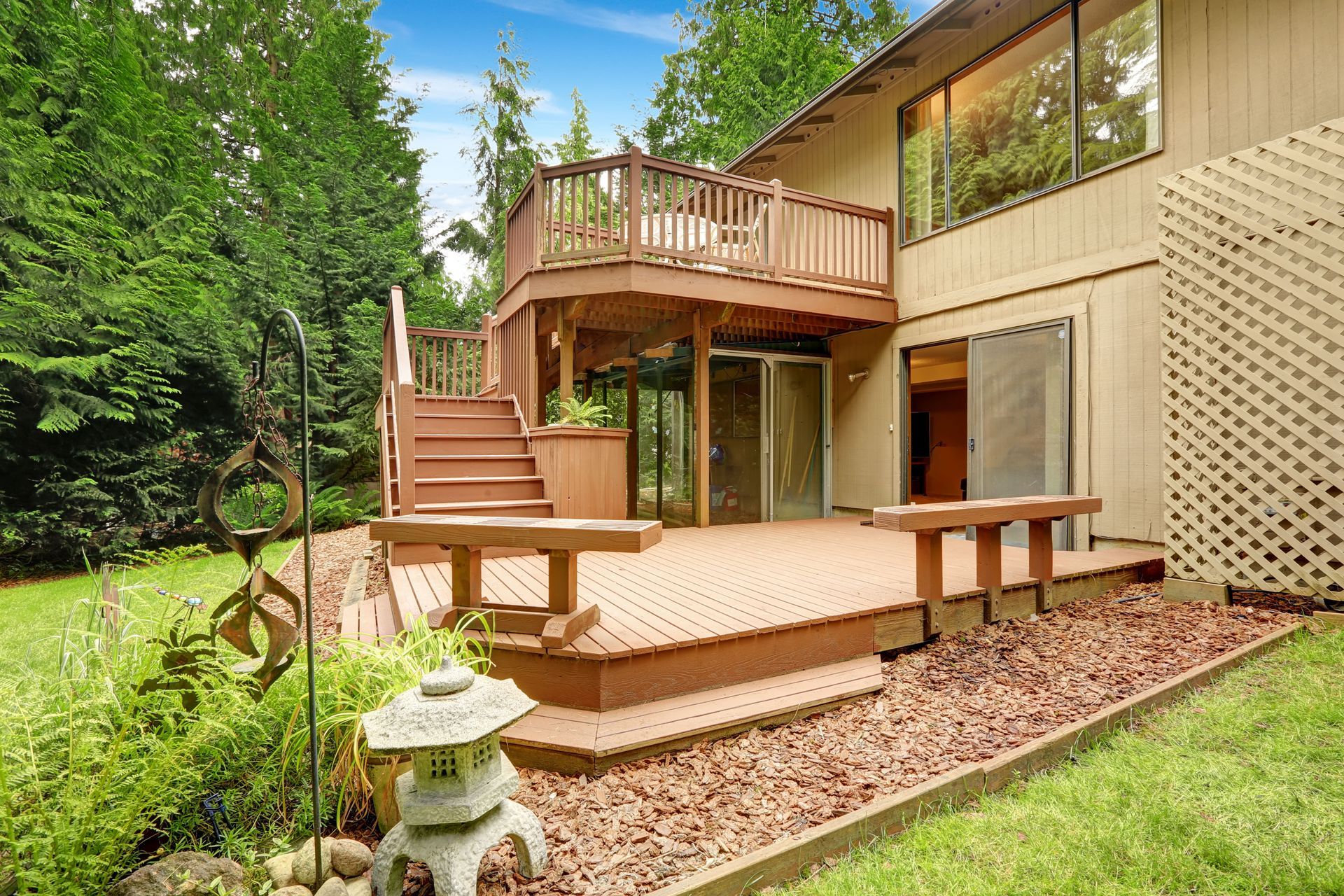
Creating a functional and visually appealing outdoor area requires careful consideration of the design. Whether opting for a simple rectangle or a complex multi-level structure, the layout must reflect the physical limitations of the property. Creative configurations - like built-in seating or wrap-around pathways - maximize usability for the family. Design choices should also focus on maintaining a fluid transition from the indoors to the outdoors. By balancing modern innovation with practicality, a deck builder achieves striking results that fulfill the requirements and dreams of the homeowner.
Incorporating Safety and Accessibility Features
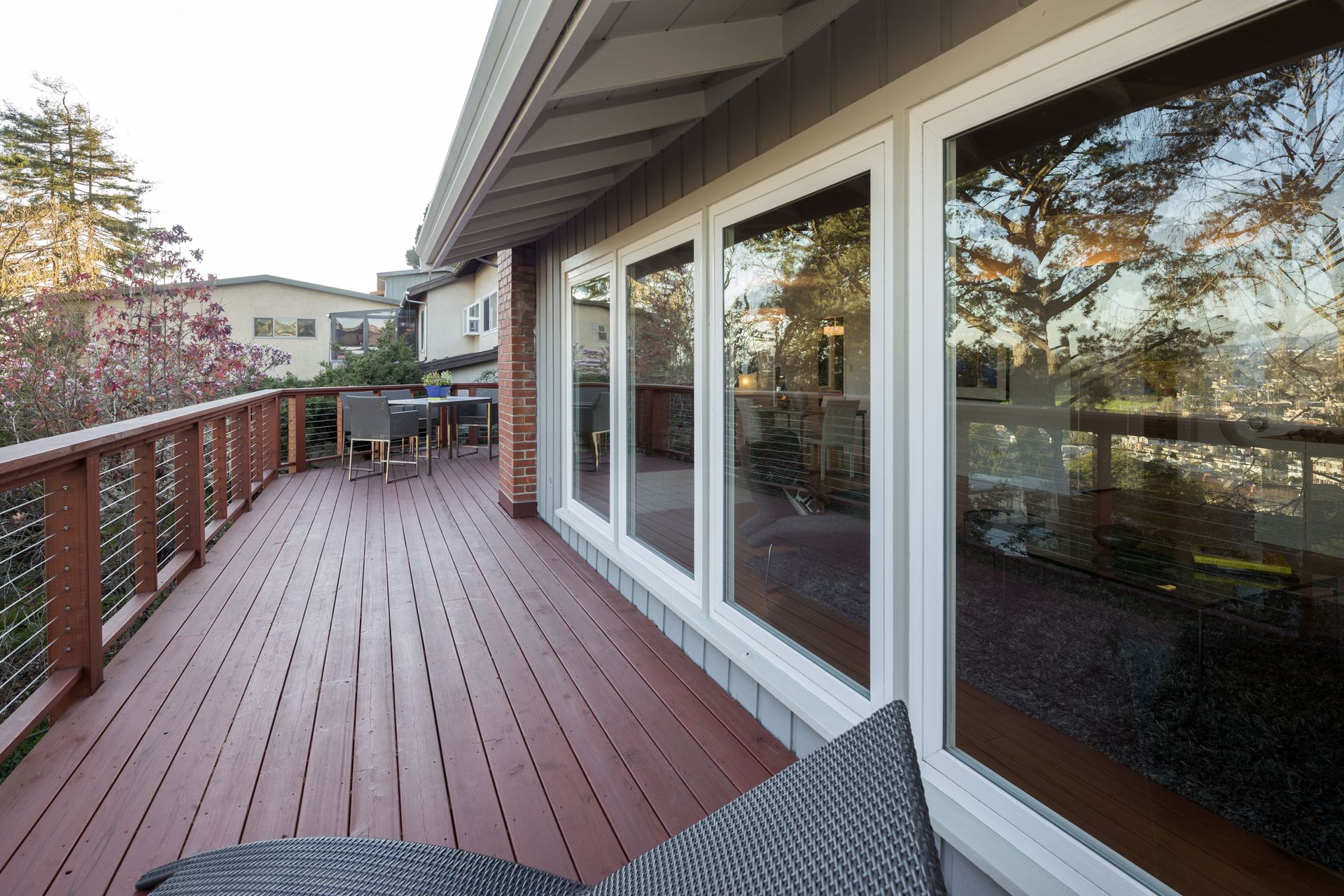
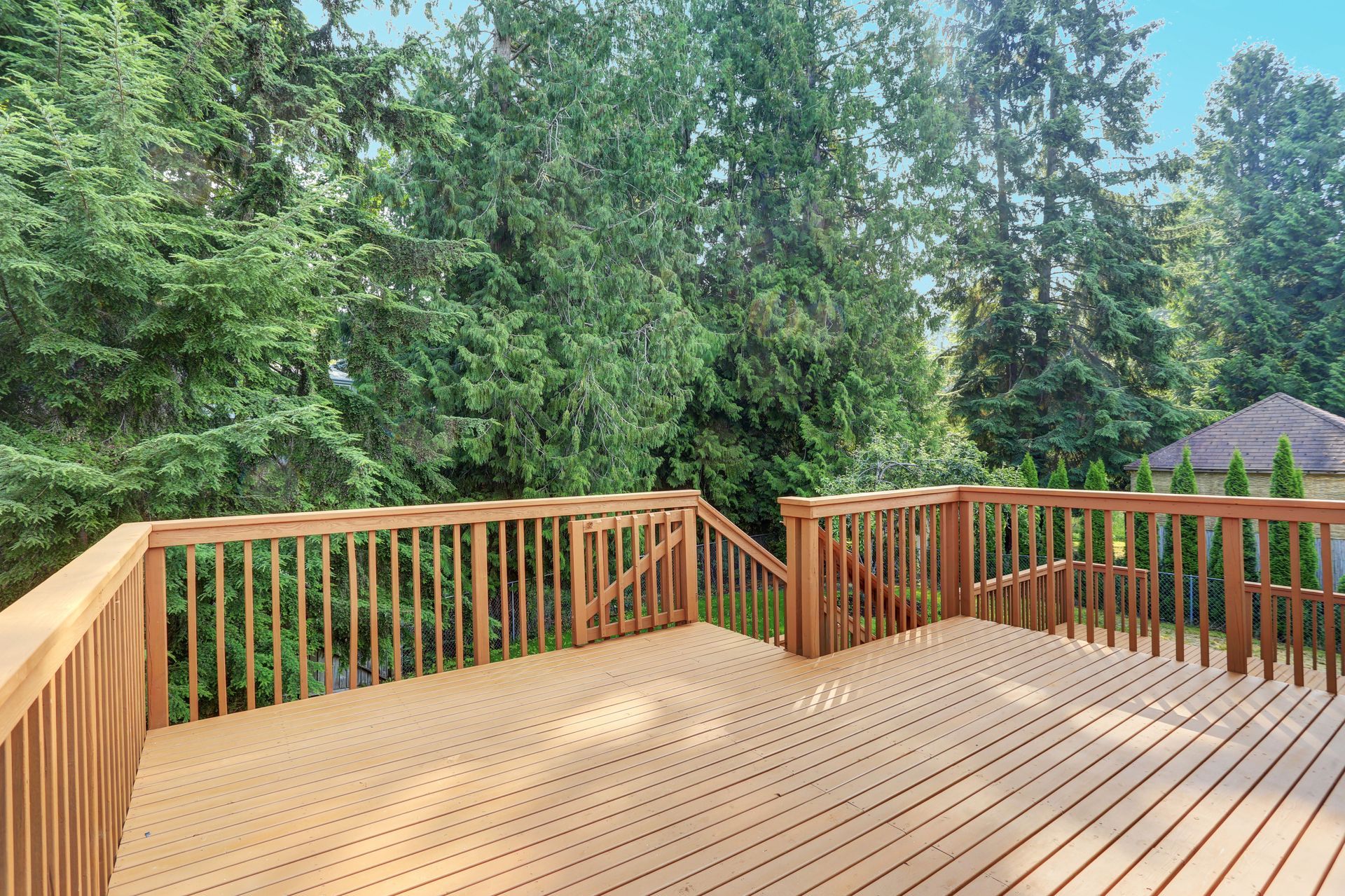
Integrating safety and accessibility elements into the early design phase guarantees the structure serves all potential users. Sturdy railings and non-slip surfaces help reduce concerns about usability for elders and young children. Accessibility is easily enhanced by widening main entrances or adding gentle ramps to accommodate every guest. A deck builder may also incorporate lighting along stairs and walking paths to prevent accidents during the evening hours. Planning for these features from the beginning guarantees the area remains safe to navigate for years.
Utilizing Design Software to Ensure Precision
Using design software elevates the precision of the craftsmanship, allowing for custom designs that might be difficult to achieve. This modern technology helps professionals create detailed three-dimensional models, providing clients with visual previews of the planned layout. These digital tools provide exact material measurements, which reduces physical waste and economic inefficiency during the project. Software also makes it easy to experiment with different architectural styles without committing any materials. With this high level of precision, workers produce spectacular spaces that meet rigorous structural standards.
Exploring Options With Wood and Composite Materials
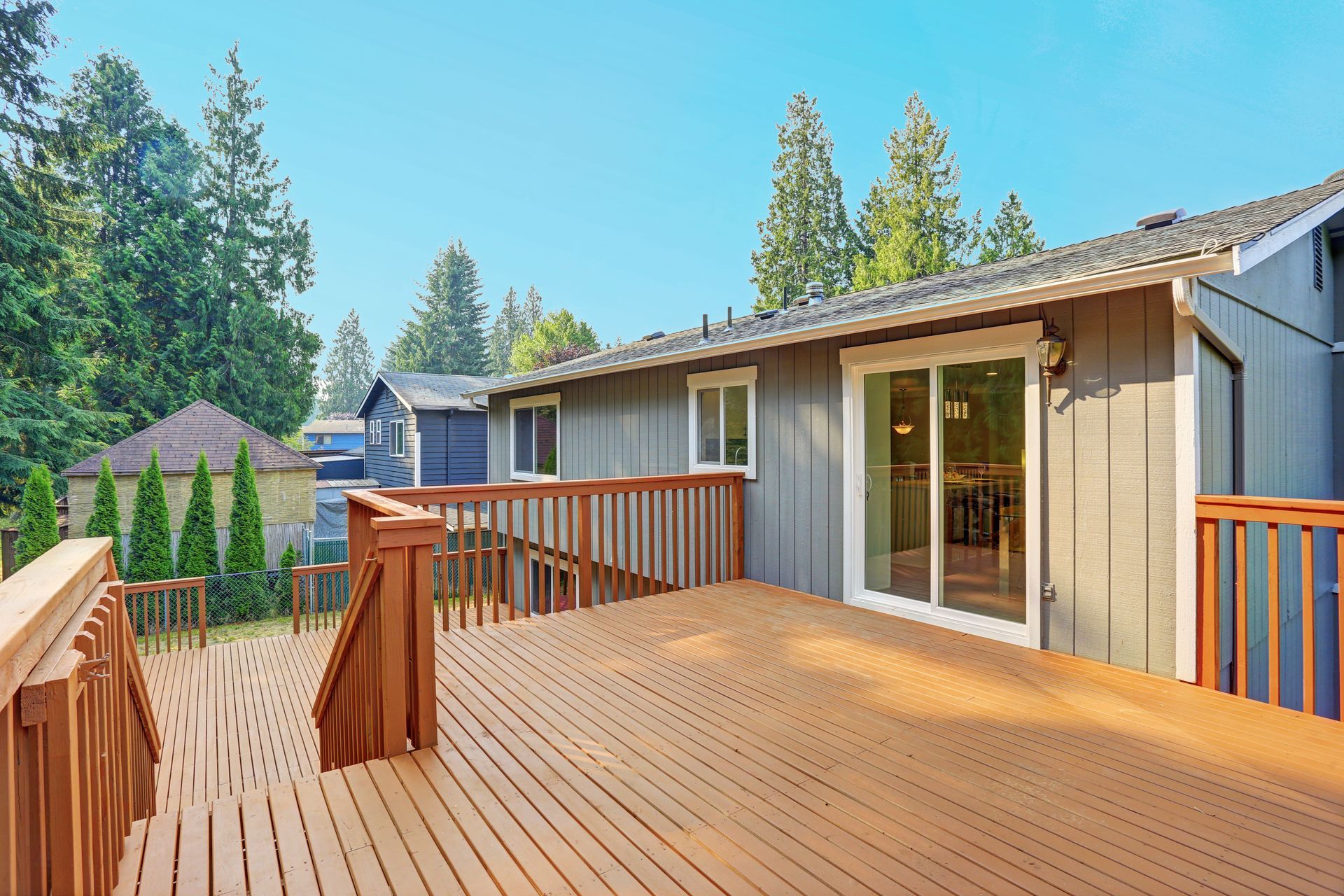
Deciding between natural wood and composite materials poses a major decision for any homeowner. Wood options like cedar remain popular due to their natural beauty and strength. However, composite materials have grown highly favorable because they resist harsh weathering and destructive pests. According to ResearchWorks at the University of Washington, sixty percent of all new homes are built with an outdoor platform, and nearly 2.75 million are replaced annually, given that the typical structure lasts roughly eleven years. Choosing the correct material heavily influences this lifespan.
Considering Durability and Maintenance Requirements
Maintenance requirements weigh heavily on material choices, impacting long-term satisfaction and upkeep. Natural wood offers a classic aesthetic appeal but demands regular sealing, staining, and occasional repairs. Composite alternatives provide ease because they naturally resist fading, staining, and cracking over time. While initial costs might be higher for composites, reduced ongoing maintenance often offsets the price gap. A skilled fence and deck contractor will guide clients through the complexities of these choices. Balancing the project budget with maintenance commitments guarantees the homeowner remains happy with the final product.
Addressing Sustainability and Environmental Impact
Focusing on environmental impact has become vital in modern construction. Using sustainably harvested wood or recycled composite boards helps lower the ecological footprint of the project. This mindful practice caters to green building methods and contributes to higher community respect. Comparing lifecycle costs and ecological advantages further guides the material decision process for families. By prioritizing eco-friendly considerations from day one, a deck builder ensures the project aligns with the personal values of the client while supporting broader environmental goals for the planet.
Analyzing Costs and Budget Considerations
Navigating costs requires a balance between financial constraints and design aspirations. Professionals provide detailed quotes and explore cost-effective solutions without compromising structural safety. Decisions regarding building materials and added luxury features directly influence the total price, which can range from a few thousand dollars depending on the scope. Transparent communication helps manage expectations and prevents unexpected financial burdens down the road. Ultimately, careful budgeting ensures the financial investment is respected throughout the entire construction phase.
Preparing a Solid Foundation for Longevity
A sturdy foundation serves as the cornerstone of any outdoor structure. The base must support the frame's weight, accommodate ground movement, and prevent early decay. A well-constructed foundation actively defies seasonal weather changes and minimizes future repair needs. Workers evaluate the soil composition to tailor their approach, ensuring the installation meets strict safety standards. Through meticulous site preparation and leveling, a professional deck builder lays the essential groundwork for a heavy frame that will endure frequent usage and extreme weather.
Ensuring Proper Drainage and Water Management
Effective water management prevents moisture damage and extends the lumber's lifespan. Proper grading and drainage systems divert rainwater away from the foundation, preventing pooling and wood rot. Workers might incorporate small gravel beds into the layout to promote fast ground absorption. Applying high-quality water-resistant coatings also minimizes moisture-related degradation on the surface. Implementing solid water management strategies protects both the hidden framework and the visible surface elements. This careful planning preserves the structural integrity and the aesthetic beauty of the installation.
Aligning With Local Building Codes and Regulations
Following local building codes safeguards compliance with community safety standards. Professionals must obtain the necessary permits and schedule mandatory municipal inspections. This extra step ensures alignment with zoning laws and maximum structural load capacities. Complying with these regulations avoids legal issues and maintains public safety. Thorough knowledge of regional building codes shows the homeowner that the project reflects proper industry practices. By respecting all established rules, a deck builder emphasizes overall quality and reliability from the first day of framing to the final property inspection.
Building the Frame With Joists and Beams
Frame construction forms the backbone of the project, with joists and beams serving as support elements. These heavy components carry the weight of the surface boards and any additional items like pergolas or heavy patio furniture. Installers space the joists to distribute weight evenly across the footprint. Beams anchor the wooden frame directly to the concrete foundation, reinforcing overall rigidity. With proper engineering, this resilient base ensures the platform remains perfectly level and secure for decades of family enjoyment.
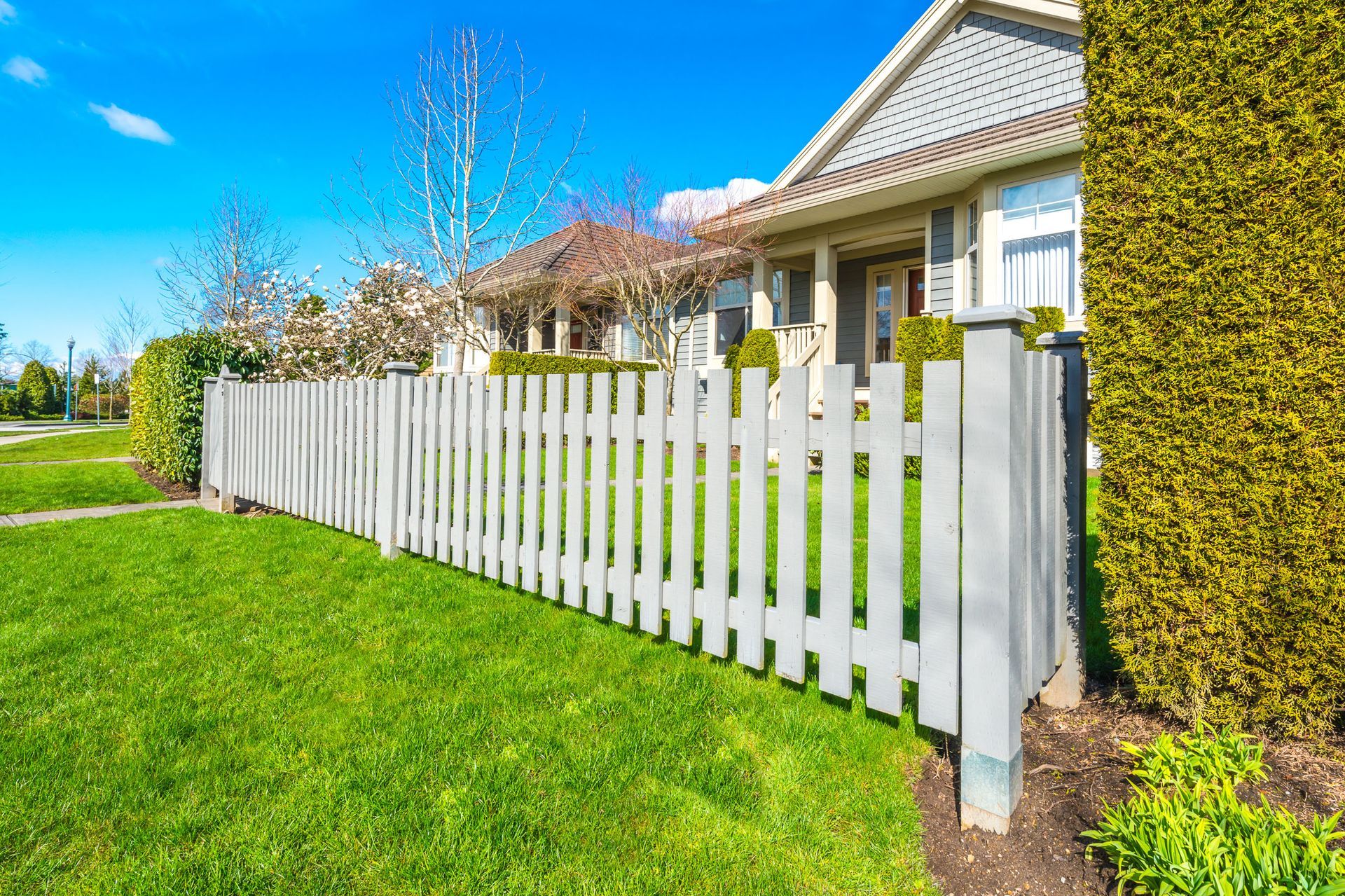
Creating an enduring outdoor space requires a perfect blend of material science, design knowledge, and exact construction techniques. Every stage of the process contributes to a beautiful area that your family can enjoy for decades. Whether you need a simple wooden platform or a complex multi-level structure, working with an experienced fence installer makes all the difference. When looking for a top-tier fence and deck contractor in Charles Town or Martinsburg, we are here to help. Reach out to Leon Fence today, and let us turn your backyard vision into a stunning reality.

Share On: