
Fence Contractor Tips for Planning Your Next Project
By Francisco Leon | July 30, 2026
Every fencing project starts with a purpose. While a fence adds structure and visual appeal to a property, it can also improve privacy, define boundaries, increase security, or create safer outdoor spaces for children and pets. Taking time to identify the primary objective before construction begins helps shape every decision that follows, from material selection to layout and height.
Meeting with a fence contractor early in the planning process allows property owners to discuss these goals while considering site conditions and local requirements. Rather than focusing solely on appearance, professional planning balances function, long-term durability, and maintenance expectations.
Properties often have multiple priorities. A homeowner may want greater backyard privacy while maintaining an attractive front yard. A business owner may need controlled access without sacrificing curb appeal. Establishing these priorities from the beginning helps create a fencing solution that supports both practical needs and aesthetic preferences.
Evaluating Your Property Before Finalizing Plans
Every property presents unique characteristics that influence fence installation. Sloped terrain, landscaping features, existing structures, utility locations, drainage patterns, and property lines all play a role in determining the most appropriate design.
A thorough site evaluation helps identify potential challenges before construction begins. For example, uneven ground may require design adjustments that maintain a consistent appearance while ensuring structural stability. Mature trees, retaining walls, or irrigation systems may also affect fence placement.
Property owners should also verify boundary locations before installation. Confirming property lines reduces the likelihood of future disputes while helping ensure the fence is positioned correctly. Professional assessments provide valuable insight into these details, allowing projects to move forward with greater confidence and fewer unexpected complications.
Selecting Materials That Match Long-Term Expectations
Choosing the right fencing material is one of the most important decisions during project planning. Each material offers different advantages depending on the property's goals, local climate, maintenance preferences, and architectural style.
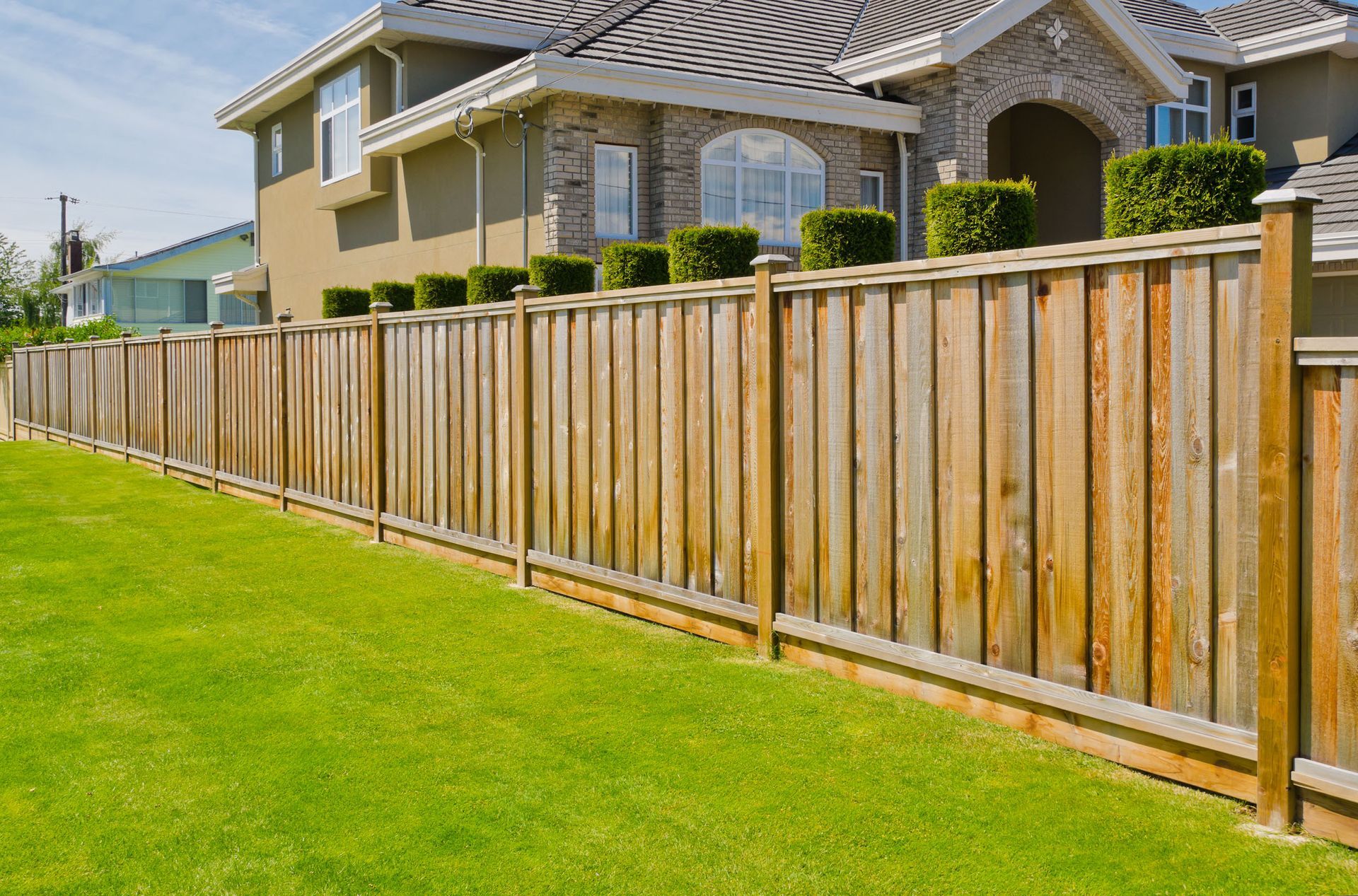
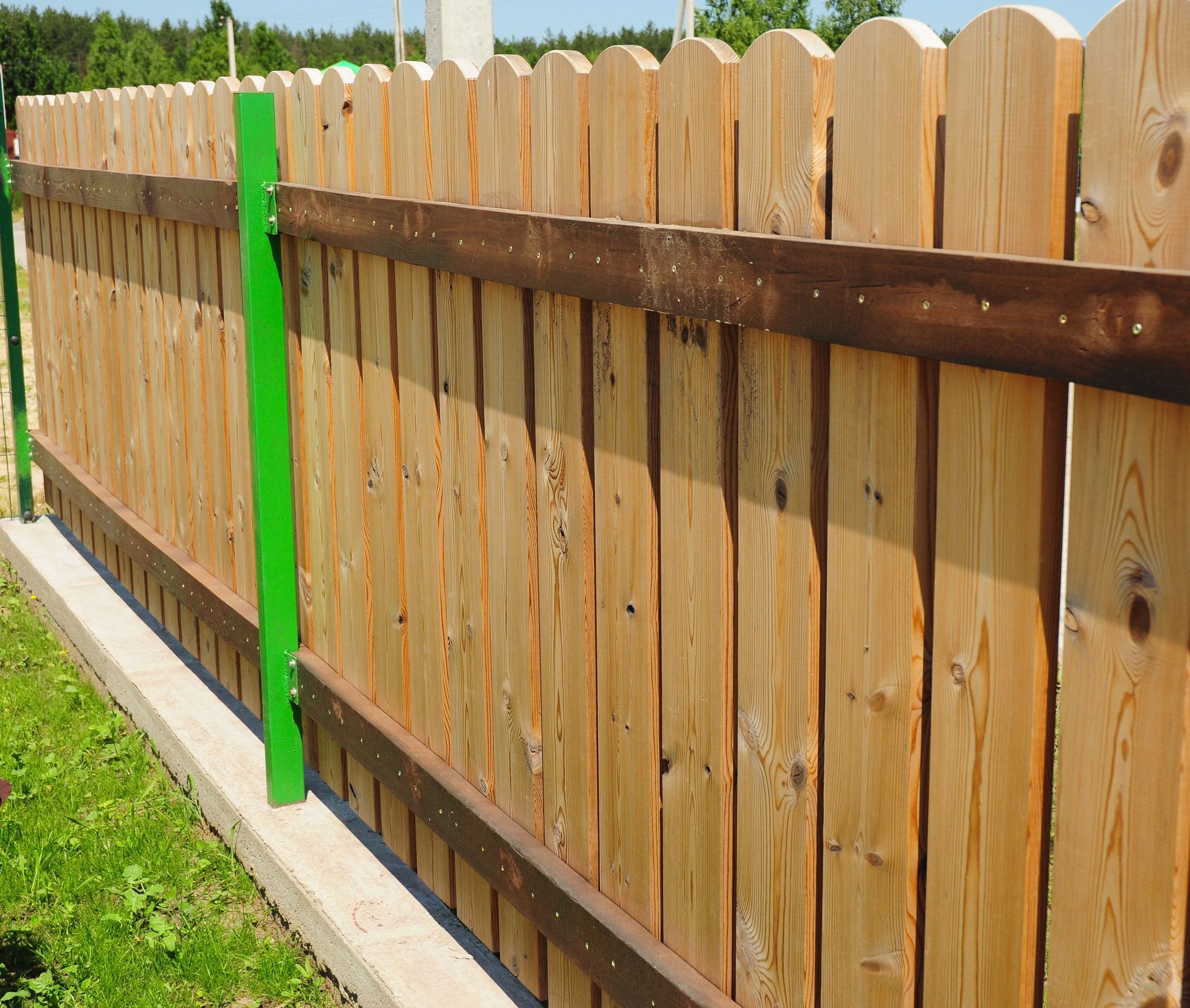
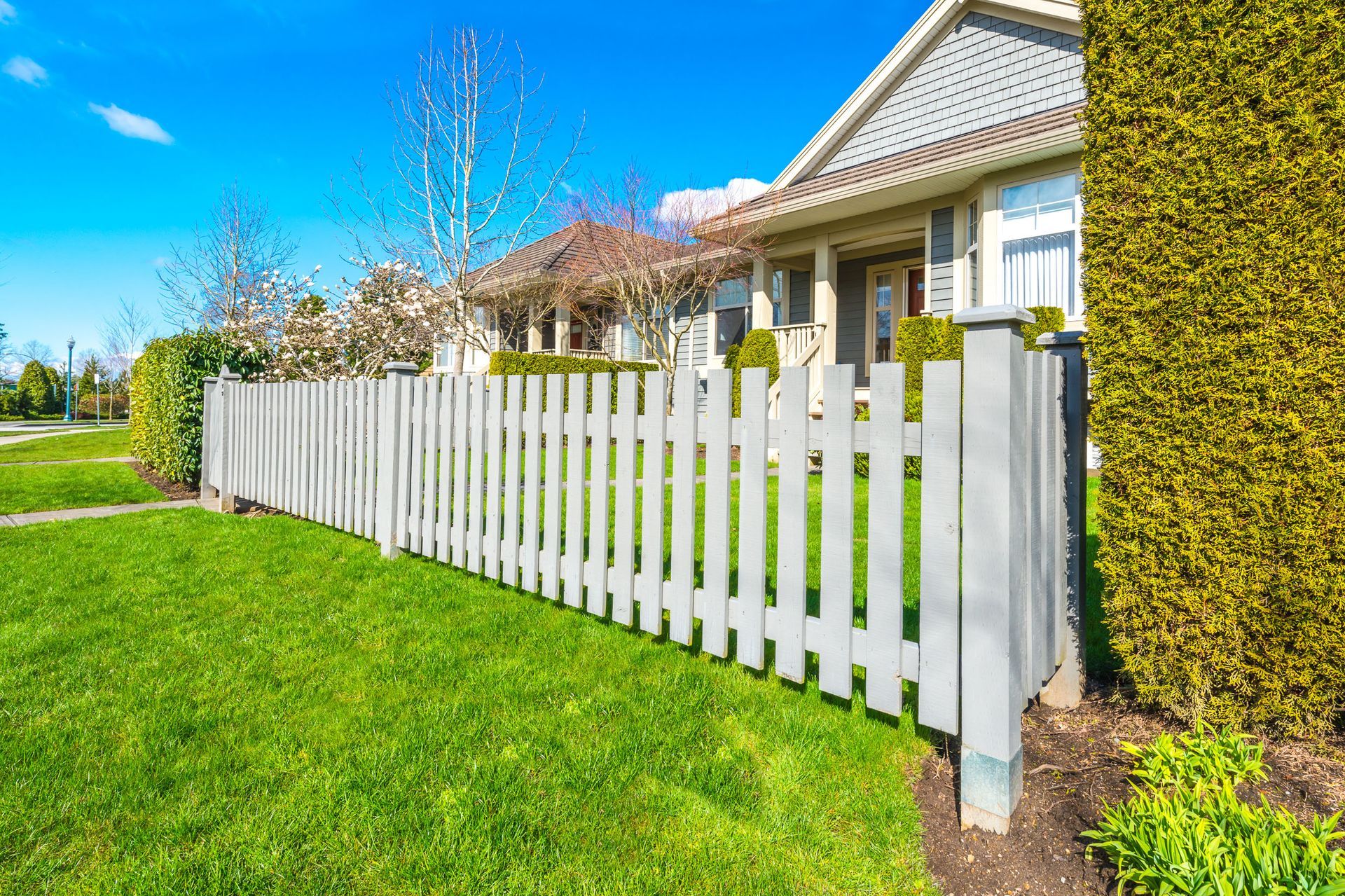
Wood remains a popular option because of its natural appearance and design flexibility. It complements many residential properties and can be customized with various heights, styles, and finishes. Regular maintenance, however, helps preserve its appearance over time.
Vinyl fencing appeals to many property owners seeking durability with relatively low maintenance requirements. It resists many common weather-related issues while maintaining a clean appearance for years.
Aluminum fencing provides an attractive solution for decorative applications, pool enclosures, and properties that prioritize visibility without sacrificing security. Its corrosion resistance makes it suitable for many environments.
Chain-link fencing continues to serve residential, commercial, and industrial applications where functionality and affordability are primary considerations. Modern options may include vinyl coatings that improve appearance while increasing protection against environmental exposure.
Discussing these options with a fence contractor helps property owners compare benefits based on their individual needs rather than selecting materials based solely on initial cost.
Understanding Local Regulations Before Installation
Fence projects often involve local ordinances that influence design and placement. Municipal regulations, neighborhood associations, easements, and zoning requirements may establish rules regarding fence height, materials, setbacks, or visibility near intersections.
Reviewing these requirements before finalizing plans helps reduce delays during the approval process. In some communities, permits may be required before installation begins. Certain neighborhoods governed by homeowner associations may also require design approval before construction.
Professional guidance can simplify navigating these requirements while helping ensure the proposed fence complies with applicable regulations. Addressing these details early helps projects remain on schedule and minimizes the possibility of costly revisions after work has started.
Planning a Design That Complements Your Property
An attractive fence should enhance the property's overall appearance rather than feel like an afterthought. Thoughtful design considers the home's architecture, surrounding landscaping, exterior finishes, and neighboring properties.
Color, height, spacing, decorative accents, and gate placement all contribute to the final appearance. Consistency throughout the design creates a cohesive look that complements existing outdoor features.
Gates deserve particular attention during planning because they affect both convenience and security. Their size, swing direction, placement, and accessibility should reflect how the property is used every day. Larger openings may be necessary for landscaping equipment or recreational vehicles, while pedestrian gates can improve access to gardens or side yards.
Collaborating with a fence contractor during the design phase helps balance visual appeal with practical functionality so the finished project serves the property's needs for years to come.
Considering Timing and Seasonal Conditions
The timing of a fencing project can influence scheduling, material availability, and construction conditions. Planning ahead allows property owners to coordinate installation around landscaping projects, outdoor renovations, or seasonal weather.
Spring and summer are often popular times for fence installation because homeowners spend more time outdoors and prepare their properties for increased seasonal use. As demand rises, scheduling consultations and project timelines earlier can provide greater flexibility.
Autumn can also offer favorable installation conditions in many regions, with moderate temperatures that support efficient construction. Winter projects may remain feasible depending on local weather and ground conditions, although schedules can vary based on regional climates.
Early planning allows property owners to coordinate fencing with other outdoor improvements while avoiding unnecessary scheduling conflicts.
Preparing for a Smooth Installation Experience
Successful projects involve more than selecting materials and approving designs. Preparing the property before installation helps promote an efficient construction process.
Removing temporary obstacles from the work area, ensuring access points remain available, and discussing any site-specific considerations with the installation team can help reduce interruptions. Property owners may also benefit from understanding the anticipated construction timeline so they know what to expect throughout the project.
Clear communication remains one of the most valuable parts of the planning process. Asking questions, reviewing project details, and confirming expectations before work begins helps create a positive experience for everyone involved.
Professional installers coordinate multiple aspects of the project, allowing property owners to remain informed without having to manage the technical aspects of construction themselves.
Balancing Budget With Long-Term Value
While project budgets naturally influence material and design decisions, long-term value often extends beyond the initial installation cost. Factors such as durability, maintenance requirements, expected lifespan, and future repair needs all contribute to the overall investment.
According to Grand View Research, the global fencing market reached an estimated value of USD 33.8 billion in 2025 and is expected to increase from USD 35.6 billion in 2026 to approximately USD 52.4 billion by 2033, reflecting a compound annual growth rate of 5.7% during that period. Continued market growth demonstrates sustained demand for fencing solutions across residential, commercial, agricultural, and industrial properties.
Working with a fence contractor helps property owners evaluate options based on overall value rather than focusing exclusively on upfront expenses. A well-planned installation that aligns with the property's needs may provide lasting benefits through dependable performance, attractive appearance, and reduced maintenance over time.
Maintaining Open Communication Throughout the Project
Strong communication with your fence contractor contributes to successful outcomes from the initial consultation through project completion. Reviewing design plans, discussing scheduling expectations, and addressing questions before construction begins helps establish a clear understanding of the project's scope.
As installation progresses, maintaining regular communication allows any unexpected site conditions to be addressed efficiently. Transparent discussions regarding timelines, materials, and project updates help build confidence throughout the process.
Property owners should feel comfortable asking questions and requesting clarification whenever needed. Professional teams appreciate informed clients because clear expectations support smoother project coordination and greater overall satisfaction.
Planning ahead, selecting appropriate materials, understanding local requirements, and working with an experienced fence contractor all contribute to a successful fencing project that enhances both functionality and appearance. Whether the goal is increased privacy, improved security, or enhanced curb appeal, thoughtful preparation supports long-lasting results.
By partnering with knowledgeable professionals, property owners can confidently move forward with projects designed to meet their unique needs. When it's time to begin planning, Leon Fence is committed to helping customers create fencing solutions that complement their properties while delivering dependable craftsmanship and attentive service.

Share On: